


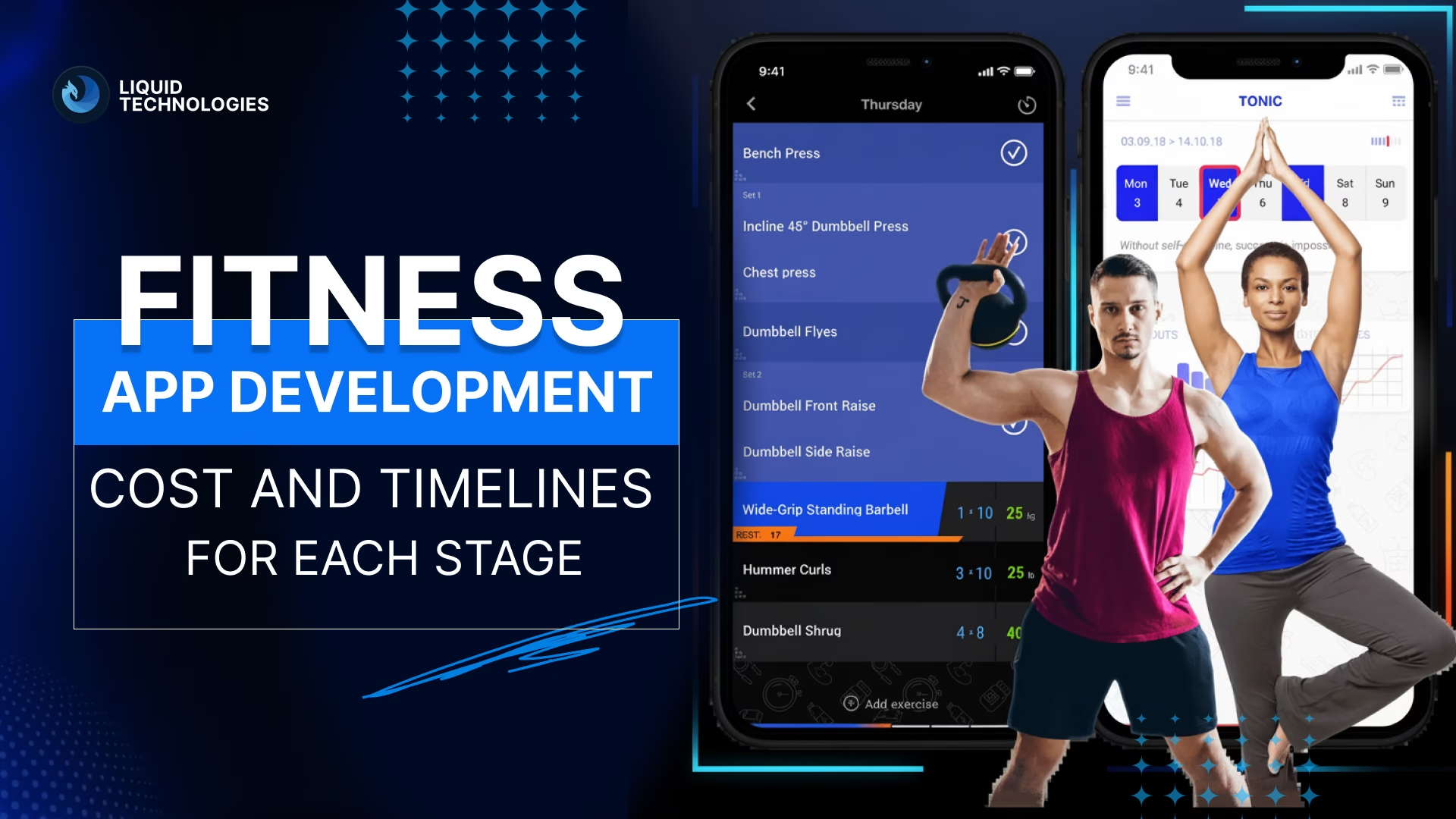
Thinking about building a fitness app? Before you dive in, there’s one question that always comes up: how much will fitness app development cost, and how long will it take? The truth is, there is no one-size-fits-all answer. Every app, from a simple step tracker to a fully personalized workout platform, has its own timeline and price tag.
The fitness mobile app development cost has become one of the most searched queries among entrepreneurs and businesses looking to tap into the booming health tech market. Whether you’re a gym owner dreaming of your branded app or a startup founder eyeing the next big thing in wellness technology, understanding the financial and time commitments involved is crucial before taking the plunge.
In this guide, we will break down each phase of fitness app development cost, including planning, design, development, testing, and launch, so you know what to expect, how to budget, and how to bring your app idea to life on time.
Understanding the Fitness App Market Landscape
The Current State of Digital Fitness
The global fitness app industry has exploded, with market valuations reaching unprecedented heights. Users aren’t just downloading these apps; they’re integrating them into their daily routines, making fitness technology a sticky, high-retention business model.
Key Market Indicators:
- Over 400 million fitness app downloads annually worldwide
- The average user spends 15-20 minutes per session
- 71% of users prefer apps with personalized workout plans
- Premium fitness apps see conversion rates of 3-5%
Why Invest in Fitness Application Development?
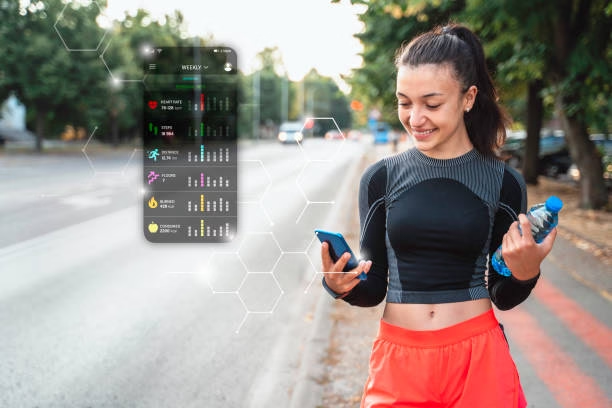
The question isn’t whether you should build a fitness exercise app; it’s whether you can afford not to. The pandemic accelerated digital fitness adoption by nearly five years, creating a permanent shift in how people approach their health and wellness routines.
Breaking Down Development Stages and Costs
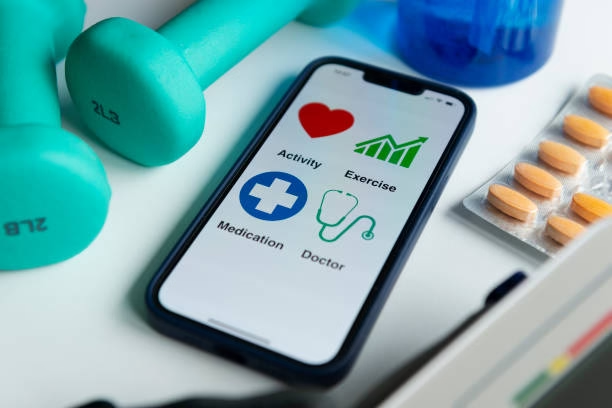
Stage 1: Discovery and Planning (2-4 weeks)
Cost Range: $5,000 – $15,000
This foundational phase sets the trajectory for your entire project. It’s where ideas transform into actionable blueprints.
What happens here:
- Market research and competitor analysis
- User persona development
- Feature prioritization workshops
- Technical feasibility assessment
- Creating a detailed project roadmap
Deliverables:
- Product requirements document
- Wireframes and user flow diagrams
- Technology stack recommendations
- Budget and timeline estimates
Think of this stage as your exercise log template: a structured framework that guides every subsequent decision.
Stage 2: UI/UX Design (4-6 weeks)
Cost Range: $8,000 – $25,000
Visual appeal and intuitive navigation can make or break a fitness app. Users expect sleek interfaces that motivate rather than frustrate.
| Design Component | Time Investment | Cost Impact |
| User Interface Design | 2-3 weeks | $4,000-$12,000 |
| User Experience Flow | 1-2 weeks | $2,000-$7,000 |
| Branding Elements | 1 week | $2,000-$6,000 |
The UI/UX design phase determines whether your creation becomes what a good fitness app is in users’ eyes, one they’ll open daily or delete after a week.
Stage 3: Core Development (12-20 weeks)
Cost Range: $40,000 – $150,000
This is where the magic happens. Your design transforms into a functional application with working features.
Frontend Development: Designing the visual interface that users interact with involves backend development, which includes creating server infrastructure, databases, and API integration. This also involves connecting to third-party services and wearable devices.
Essential Features and Their Costs:
- User Authentication System ($3,000-$8,000)
- Registration and login
- Social media integration
- Password recovery
- Workout Tracking ($8,000-$20,000)
- Exercise library
- Custom workout creation
- Progress monitoring
- Nutrition Tracking ($10,000-$25,000)
- Calorie counter
- Meal planning
- Barcode scanner
- Social Features ($5,000-$15,000)
- User profiles
- Activity feeds
- Challenge systems
- Wearable Integration ($8,000-$20,000)
- Apple Watch connectivity
- Fitbit synchronization
- Heart rate monitoring
Understanding iOS App Development Cost by Feature helps you prioritize what matters most for your minimum viable product.
Stage 4: Quality Assurance (4-6 weeks)
Cost Range: $8,000 – $20,000
Bugs and glitches are fitness motivation killers. This phase ensures your app performs flawlessly across devices and scenarios.
Testing Types:
- Functional testing
- Performance testing
- Security testing
- Usability testing
- Device compatibility testing
Stage 5: Deployment and Launch (2-3 weeks)
Cost Range: $3,000 – $8,000
Your app is ready for the world. This stage involves app store optimization, submission, and initial launch activities.
Launch Checklist:
✓ App Store submission and approval
✓ Google Play Store listing
✓ Server infrastructure setup
✓ Analytics implementation
✓ Crash reporting tools
✓ Initial marketing campaigns
Total Investment: How Much Does It Cost to Create a Fitness App?
Basic Fitness App
Timeline: 3-4 months
Investment: $50,000 – $80,000
Features included:
- User authentication
- Pre-built workout library
- Basic progress tracking
- Simple analytics
Mid-Range Fitness App
Timeline: 5-7 months
Investment: $80,000 – $150,000
Features included:
- Everything in Basic, plus:
- Custom workout builder
- Nutrition tracking
- Social features
- Wearable device integration
- In-app messaging
Premium Fitness Platform
Timeline: 8-12 months
Investment: $150,000 – $300,000+
Features included:
- Everything in Mid-Range, plus:
- AI-powered personalization
- Video streaming capabilities
- Live coaching sessions
- Advanced analytics and reporting
- Multi-language support
- Offline functionality
How much does it cost to make a fitness app? Ultimately depends on your vision, target audience, and competitive positioning. These ranges represent development only – factor in ongoing costs for maintenance, updates, and marketing.
Factors That Influence Development Costs
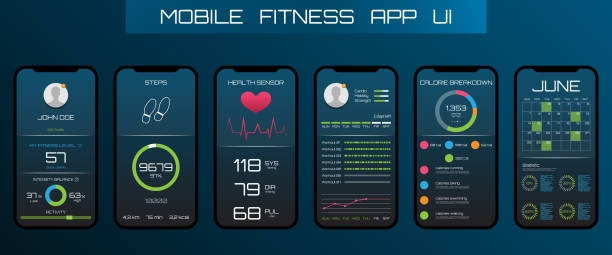
Complexity of Features
Simple tracking functions cost significantly less than AI-powered workout recommendations or real-time video streaming. Each advanced feature adds both development time and ongoing maintenance requirements.
Platform Choice
Building for iOS only, Android only, or both platforms impacts costs dramatically. Cross-platform frameworks like React Native can reduce expenses but may limit access to platform-specific features. Exploring different types of software development methodologies can also affect your project timeline and budget allocation.
UI Design
Designing clean navigation, workout screens, dashboards, and visual elements adds to total spending. More screens, animations, and personalisation require extra design hours, increasing the budget.
Backend Development
Server setup, database design, user accounts, workout storage, and API connections make up a major share of costs. A complex backend with live data sync, custom analytics, or high user volume needs more engineering time.
Quality Assurance
Every feature must be tested across devices and operating systems. This process helps prevent crashes, improve stability, and reduce post-launch errors. Extra features or platform versions require more thorough testing cycles.
Development Team Structure
Costs change based on who builds the app. Hiring an in-house team, outsourcing to an agency, working with freelancers, or mixing both models will change the hourly rate, workflow, and timeline. A large team can move faster, but it increases spending.
Custom vs. Template Solutions
Starting with pre-built templates or white-label solutions can reduce initial costs by 30-50%. However, customization limitations may hinder your competitive differentiation.
Hidden Costs You Need to Consider
Post-Launch Expenses
- App Store Fees: Apple charges $99/year, Google charges $25 one-time
- Server Hosting: $50-$500/month, depending on user base
- Maintenance and Updates: 15-20% of initial development cost annually
- Customer Support: $2,000-$10,000/month
- Marketing and User Acquisition: $5,000-$50,000/month
Scaling Costs
As your user base grows, infrastructure costs increase. A fitness app with 10,000 active users has drastically different server requirements than one with 100,000 users.
Legal and Compliance
Health data is sensitive. HIPAA compliance, GDPR adherence, and proper terms of service documentation aren’t optional; they’re essential and can cost $10,000-$30,000.
Monetization Strategies Worth Considering

Freemium Model
Offer basic features free with premium upgrades. This lowers the barrier to entry while creating upsell opportunities.
Typical Conversion Rates: 2-5% of free users upgrade
Subscription Model
Monthly or annual subscriptions provide predictable recurring revenue. Most successful fitness apps charge $9.99-$29.99/month.
One-Time Purchase
Less common but viable for specialized tools or programs. Works well for niche audiences with specific needs.
Advertisement Revenue
Free apps with ad support can generate income, though ads may detract from user experience in fitness contexts.
Hybrid Approach
Combine multiple revenue streams, free basic features, subscription premium content, and optional one-time purchases for specialized programs.
Liquid Technologies: Your Fitness App Development Partner
When transforming your fitness app vision into reality, choosing the right development partner makes all the difference. Liquid Technologies specializes in creating cutting-edge fitness applications that users love and businesses profit from.
Why Liquid Technologies?
- Proven Track Record: We’ve delivered many health and wellness applications across iOS and Android platforms, generating millions in revenue for our clients.
- End-to-End Service: From initial concept to post-launch support, we handle every aspect of your fitness app journey. No need to juggle multiple vendors or worry about integration headaches.
- Transparent Pricing: We provide detailed cost breakdowns upfront, so you know exactly what you’re investing in.
- Agile Development Process: See your app come to life through bi-weekly demos and regular check-ins. We adapt quickly to feedback and market changes.
- Post-Launch Excellence: Our relationship doesn’t end at launch. We provide ongoing optimization, feature updates, and scaling support as your user base grows.
Our Development Approach
- Strategic Discovery: We dig deep into your business goals, target audience, and competitive landscape
- Rapid Prototyping: See your ideas visualized within weeks, not months
- Iterative Development: Regular sprints with testable deliverables
- Rigorous Testing: Multiple QA rounds ensuring flawless performance
- Smooth Deployment: We handle app store submissions and technical setup
- Continuous Improvement: Data-driven updates based on user behavior
Just as creative teams explore various Game Development Ideas to engage players, we explore innovative features that keep your fitness app users motivated and coming back for more.
Timeline Optimization Tips
Start with MVP
Don’t try to build everything at once. Launch with MVP design with core features, gather user feedback, then iterate based on real-world usage data.
Use Cross-Platform Frameworks
React Native or Flutter can reduce development time by 30-40% compared to building native apps for iOS and Android separately.
Leverage Existing APIs
Why rebuild what already exists? Use established APIs for payment processing, video streaming, and wearable integration.
Parallel Workflows
Design and backend development simultaneously where possible. Smart project management can shave weeks off your timeline.
Choose Agile Methodology
Two-week sprints with clear deliverables keep projects moving and allow for mid-course corrections without derailing the entire timeline.
Common Development Pitfalls to Avoid
Scope Creep
Every new “must-have” feature extends your timeline and budget. Stay disciplined about your MVP scope.
Skipping User Research
Building features users don’t want wastes money. Invest in understanding your audience before writing a single line of code.
Neglecting Android Users
iOS-first strategies make sense in some markets, but Android dominates globally. Plan your platform approach strategically.
Underestimating Content Creation
If your app relies on workout videos, exercise descriptions, or nutrition data, content creation timelines often exceed development timelines.
Poor Backend Planning
Scalability issues plague apps that experience sudden growth. Architect your backend to handle 10x your expected user base.
Future-Proofing Your Fitness App
Emerging Technologies
Artificial Intelligence: Personalized workout recommendations based on performance data
Augmented Reality: Virtual personal trainers appearing in your living room
Wearable Integration: Seamless data flow from smartwatches and fitness bands
Virtual Reality: Immersive workout experiences in exotic locations
Market Trends
- Mental wellness integration
- Holistic health tracking
- Community-driven challenges
- On-demand personal training
- Gamification elements
Building with future trends in mind doesn’t mean implementing everything today—it means architecting your app to accommodate new features without complete rebuilds.
Conclusion
Building a successful fitness app development costs more than just a budget; it demands strategic planning, user-centric design, and partnership with experienced developers who understand the health tech landscape.
Liquid Technologies has helped dozens of visionaries launch successful fitness applications that users love. We combine technical expertise with industry insight to deliver apps that stand out in crowded app stores and deliver real value to users.
Schedule your free consultation today and discover how we can bring your fitness app vision to life—on time, on budget, and beyond expectations. Let’s build something that gets people moving.


